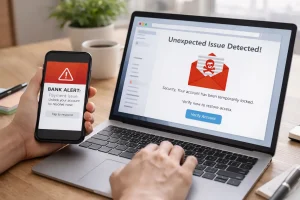
Sharing information online has become second nature for many of us. Early in my online journey, I would often share articles, videos, or posts without giving them a second thought. One day, a friend pointed out that a story I had shared was misleading. That experience was an eye-opener. I realized that sharing unverified content could misinform others and harm my credibility. Over time, I developed a systematic approach to evaluate online content before sharing it. In this article, I’ll walk you through my methods, practical steps, and personal experiences so you can share confidently and responsibly.
Understanding the Importance of Evaluating Content
The first step in my process was understanding why evaluating content matters. The internet is filled with both credible information and misinformation. From misleading headlines to fabricated statistics, false content spreads quickly. By learning to evaluate content critically, I protect not only myself but also my audience.
Evaluating content ensures that I share accurate information, build trust, and avoid contributing to the spread of fake news. This mindset was the foundation of my online sharing routine.
Pausing Before Sharing
The simplest but most powerful habit I adopted was pausing before sharing. Initially, I shared posts impulsively, especially if they were sensational or emotional. Over time, I learned to take a moment to assess whether the content deserved to be shared.
My pause routine includes:
- Reading the full article, not just the headline.
- Checking the source for credibility.
- Asking myself whether the information is accurate and relevant.
This simple pause drastically reduced my chances of sharing misleading content and allowed me to think critically about every post.
Checking the Source of the Content
A crucial step in my evaluation process is assessing the source. Not all websites or social media accounts are reliable.
Steps I follow:
- Verify if the source is reputable and has a track record of accuracy.
- Check the domain—be cautious of unfamiliar extensions or mimicked names.
- Look for author information and credentials.
- Review editorial standards or policies if available.
For example, I once came across a site claiming a famous tech company was shutting down. By examining the domain and checking established tech news outlets, I discovered it was false, avoiding the spread of misinformation.
Reading Beyond the Headline
Headlines are designed to attract attention, but they can be misleading. Early in my sharing habits, I often made judgments based solely on headlines. That practice led to mistakes.
How I avoid this trap:
- Read the entire article before forming an opinion.
- Identify whether the claims are supported by evidence.
- Compare the headline with the content to ensure consistency.
One instance involved a viral headline about a new health trend. Reading the full article revealed the claims were exaggerated and based on limited research, preventing me from sharing misleading information.
Verifying Facts and Data
Fact-checking is an essential part of my routine. I never share information that hasn’t been verified.
Tools and steps I use:
- Fact-checking websites: Snopes, FactCheck.org, and PolitiFact.
- Official sources: Government or institutional websites for statistics and reports.
- Cross-referencing: Comparing multiple reputable news outlets to confirm accuracy.
I recall a viral post claiming a major policy change. By checking official government sites and multiple news outlets, I confirmed the information was accurate before sharing.
Analyzing Visual Content
Images and videos can be manipulated to mislead viewers. I’ve learned not to trust visual content blindly.
My approach:
- Use reverse image searches to verify authenticity.
- Check timestamps and context to ensure relevance.
- Compare with other verified media sources.
For instance, a viral video showing a dramatic incident was circulating online. Using a reverse image search revealed it was from years ago, unrelated to the current claim.
Considering the Intent Behind the Content
Not all content is created to inform. Some posts are designed to provoke reactions or generate clicks. Recognizing intent helps me decide whether to share.
Questions I ask myself:
- Is the content trying to inform or just provoke emotion?
- Does it provide evidence, or is it opinion-based?
- Is the goal to educate, entertain, or manipulate?
By considering intent, I avoid amplifying sensational or manipulative posts.
Checking Dates and Timelines
Old or outdated content can mislead people when presented as current. I always check the publication date before sharing.
Practical steps:
- Confirm the content is current and relevant.
- Cross-check timelines with other sources.
- Be cautious with recycled stories presented as new.
For example, a story about a natural disaster resurfaced years later with misleading context. Checking dates prevented me from sharing inaccurate information.
Avoiding Echo Chambers
Relying solely on social media feeds can reinforce confirmation bias. I intentionally diversify sources to ensure balanced perspectives.
How I avoid echo chambers:
- Follow multiple reputable sources with varying viewpoints.
- Cross-check information across different platforms.
- Engage in discussions that challenge my assumptions.
This practice reduces the risk of sharing information that only aligns with my pre-existing beliefs.
Developing Digital Skepticism
All these steps contribute to digital skepticism, a mindset that questions online content before accepting it. I approach content critically, verify claims, and avoid impulsive sharing.
Benefits I’ve experienced:
- Reduced misinformation spread.
- Increased credibility with friends and colleagues.
- Better decision-making based on accurate information.
Digital skepticism has become a natural habit that guides my online behavior every day.
Real-Life Examples of My Evaluation Routine
Several personal experiences highlight the effectiveness of my approach:
- Viral Hoaxes: A post claimed a celebrity had passed away. Verifying sources prevented me from sharing false information.
- Health Claims: I avoided sharing an unverified “miracle cure” after checking medical sources.
- Political Rumors: Cross-referencing news outlets ensured I shared accurate information about local elections.
- Financial Scams: Careful evaluation of links and websites prevented potential fraud attempts.
These examples show how consistent evaluation protects both me and my network.
Conclusion: Thoughtful Sharing Builds Trust
Evaluating online content before sharing is essential in today’s digital world. My routine—pausing, checking sources, reading beyond headlines, verifying facts, analyzing visuals, and practicing digital skepticism—has transformed how I interact online. By adopting these practices, anyone can share content responsibly, build credibility, and contribute to a safer and more informed online environment. Thoughtful sharing isn’t just a habit—it’s a responsibility.
FAQs About Evaluating Online Content
Q1: What is the first step in evaluating content?
Pause before sharing and read the full article to avoid being influenced by misleading headlines.
Q2: How can I verify if an article is credible?
Check the source, author, and references, and cross-check with reputable news outlets.
Q3: Are images and videos always reliable?
No. Use reverse image searches and verify context to ensure accuracy.
Q4: Why should I consider the intent behind content?
Understanding intent helps you avoid sharing manipulative or sensational information.
Q5: How can I avoid echo chambers when evaluating content?
Follow diverse sources, cross-check information, and engage with differing perspectives.